Yard Drainage Solutions in Woodbury, MN: How to Fix Standing Water for Good
Learn how to tackle yard drainage problems in Woodbury, MN with expert solutions. Understand what's causing standing water and fix it permanently.
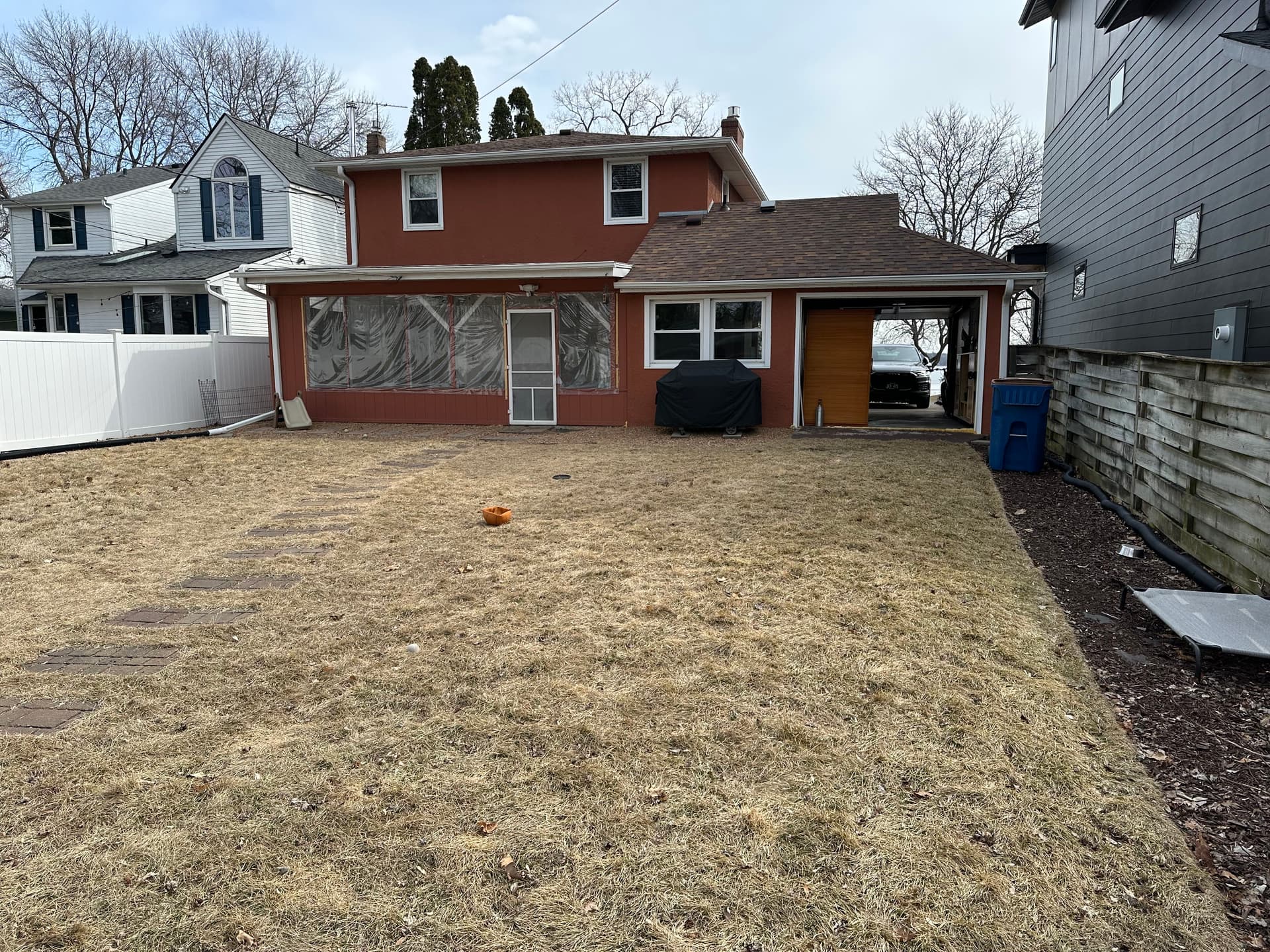
How to Improve Yard Drainage in the Twin Cities
If your yard turns into a swamp every spring or after heavy rain, you are not alone. Yard drainage problems are extremely common in the Twin Cities due to clay soils, freeze thaw cycles, and increasingly intense rain events.
Poor drainage is not just an inconvenience. Over time it can damage your lawn, landscaping, hardscapes, and even your home’s foundation.
This guide explains why drainage problems happen in Minnesota and what actually works to fix them.
Why Yard Drainage Is Such a Problem in Minnesota
Several local factors work against proper drainage:
Clay-heavy soils that absorb water slowly
Spring snowmelt combined with frozen ground
Flat or poorly graded lots, especially in newer developments
Older neighborhoods with outdated drainage systems
Heavy rainfall events that overwhelm standard yard slopes
If water has nowhere to go, it will find the lowest point. That often means pooling near foundations, patios, retaining walls, or low areas of turf.
Common Signs You Have a Drainage Issue
If you notice any of the following, drainage should be addressed sooner rather than later:
Standing water that lasts more than 24 hours
Soggy or spongy lawn areas
Erosion or washouts after rain
Water flowing toward your house
Patio or pavers that shift or settle
Basement moisture or foundation staining
Drainage problems rarely fix themselves. They usually get worse over time.
The Most Effective Yard Drainage Solutions
There is no one-size-fits-all solution. The best approach depends on your soil, slope, and where the water is coming from.
Regrading and Proper Sloping
In many cases, the yard simply needs to be reshaped so water flows away from structures.
Regrading involves adjusting soil elevations to create a consistent slope that directs water toward safe discharge areas. This is often the most cost-effective solution when done correctly.
Best for:
Mild pooling issues
Water flowing toward the foundation
New construction lots
French Drains
French drains collect subsurface water and redirect it away from problem areas using perforated pipe and stone.
They are especially effective in clay soils where water builds up below the surface.
Best for:
Persistent wet areas
Downspout discharge problems
Water trapped behind retaining walls
Surface Drains and Catch Basins
Catch basins collect surface water and move it through solid pipe to a discharge point.
They work well in low spots where water naturally gathers.
Best for:
Yard depressions
Areas between homes
Driveway and patio runoff
Downspout Extensions and Underground Drainage
Many drainage issues start at the roof.
Redirecting downspouts farther from the house or tying them into underground drainage often solves foundation and lawn issues.
Best for:
Basement moisture
Erosion near the house
Oversaturated planting beds
Rain Gardens and Natural Drainage Solutions
Rain gardens use native plants and engineered soil to absorb and filter runoff.
They are environmentally friendly and work well when paired with other drainage solutions.
Best for:
Properties with space to absorb water
Homeowners wanting a natural solution
Areas with municipal runoff restrictions
Why Drainage Should Be Addressed Before Hardscaping
Installing patios, retaining walls, or landscaping without fixing drainage first is a common and expensive mistake.
Water issues can cause:
Paver patios to settle or heave
Retaining walls to lean or fail
Washed-out base material
Shortened lifespan of outdoor investments
At Grey Cloud Outdoors, drainage is addressed first so everything built afterward lasts.
Professional Drainage Design Matters
DIY drainage fixes often fail because water volume, soil type, and outlet locations are misjudged.
A professional assessment looks at:
Where water originates
How much water is moving through the site
Soil composition
Existing grades and structures
Proper discharge locations
Doing it right once is always cheaper than fixing it twice.
Yard Drainage Solutions in the Twin Cities
If you are dealing with standing water, erosion, or ongoing drainage problems, a site-specific plan is the key.
Grey Cloud Outdoors designs and installs drainage solutions that work with Minnesota’s climate, soils, and seasonal conditions.
Addressing drainage early protects your home, your yard, and every outdoor investment you make.